
Quality Standards and Ingredient Purity
The safety and effectiveness of a supplement depend entirely on the quality of its ingredients. The market can be complex, but the criteria that define a premium product are knowable. From the initial harvesting of botanicals to the final packaging, every step must be managed with care to prevent contamination and preserve the active compounds that make natural wellness work.
The Importance of Third-Party Testing
One of the most reliable indicators of quality is independent, third-party testing. This process verifies that what is listed on the label is actually inside the bottle — and that the product is free from heavy metals, pesticides, and microbial contaminants that can undermine its safety.
We advocate for brands that prioritize this level of transparency. When a supplement has been verified by an outside laboratory, the consumer receives something difficult to manufacture through marketing alone: peace of mind. A certificate of analysis from an independent lab means the batch was checked by someone with no financial stake in the result.
For the health-conscious consumer in Indonesia, this is the baseline, not a luxury. If a brand cannot or will not share independent test results, that silence is itself a data point worth weighing.
Sourcing for Potency and Sustainability
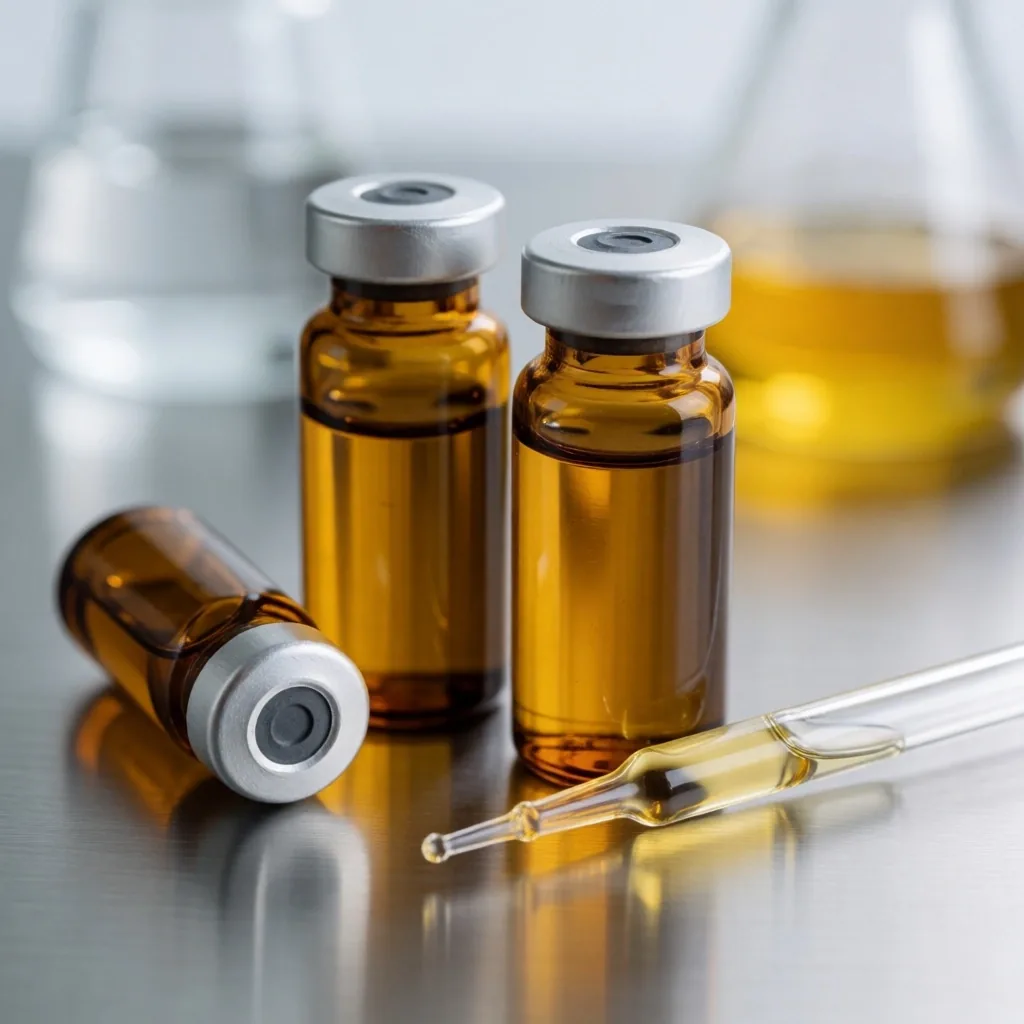
The quality of a botanical extract begins with the soil in which the plant was grown. We look for ingredients sourced from regions where the plant naturally thrives, because native growing conditions tend to produce a higher concentration of the active compounds that give the extract its value.
Sustainable harvesting practices ensure these natural resources remain available for future generations. Ethical sourcing is not only about quality — it is about respecting the environment that provides the raw materials for wellness. A plant harvested at the right time, from the right soil, processed within hours rather than weeks, simply carries more of what the body can use.
When a brand can name the region, the growing season, and the harvest method, the supply chain becomes a feature rather than a black box.
Advanced Extraction Techniques
How a plant is turned into a supplement matters as much as which plant was chosen. Traditional methods like water or alcohol extraction are effective for many herbs, while modern techniques like CO2 extraction can provide a more concentrated and pure final product. The method changes what survives the process — and what the body actually receives.
Water Extraction
The oldest method. Effective for water-soluble compounds. Gentle on the source material but limited to compounds that dissolve in water. Low risk of residual solvent traces.
Alcohol Extraction
Dissolves a broader range of active compounds, including both water-soluble and alcohol-soluble components. Tinctures and many traditional preparations use this route. Alcohol residues are minimal after standard processing.
CO2 Extraction
Uses pressurized carbon dioxide as a solvent. Produces a highly concentrated extract with no solvent residue, since the CO2 evaporates completely. Preserves heat-sensitive compounds that other methods may degrade. Higher manufacturing cost, reflected in product pricing.
Choosing the right extraction process is vital for ensuring the supplement delivers its intended benefits. A delicate compound extracted at high heat may arrive in the bottle structurally intact but biologically inert — present on the label, absent in effect.
Avoiding Fillers and Artificial Additives
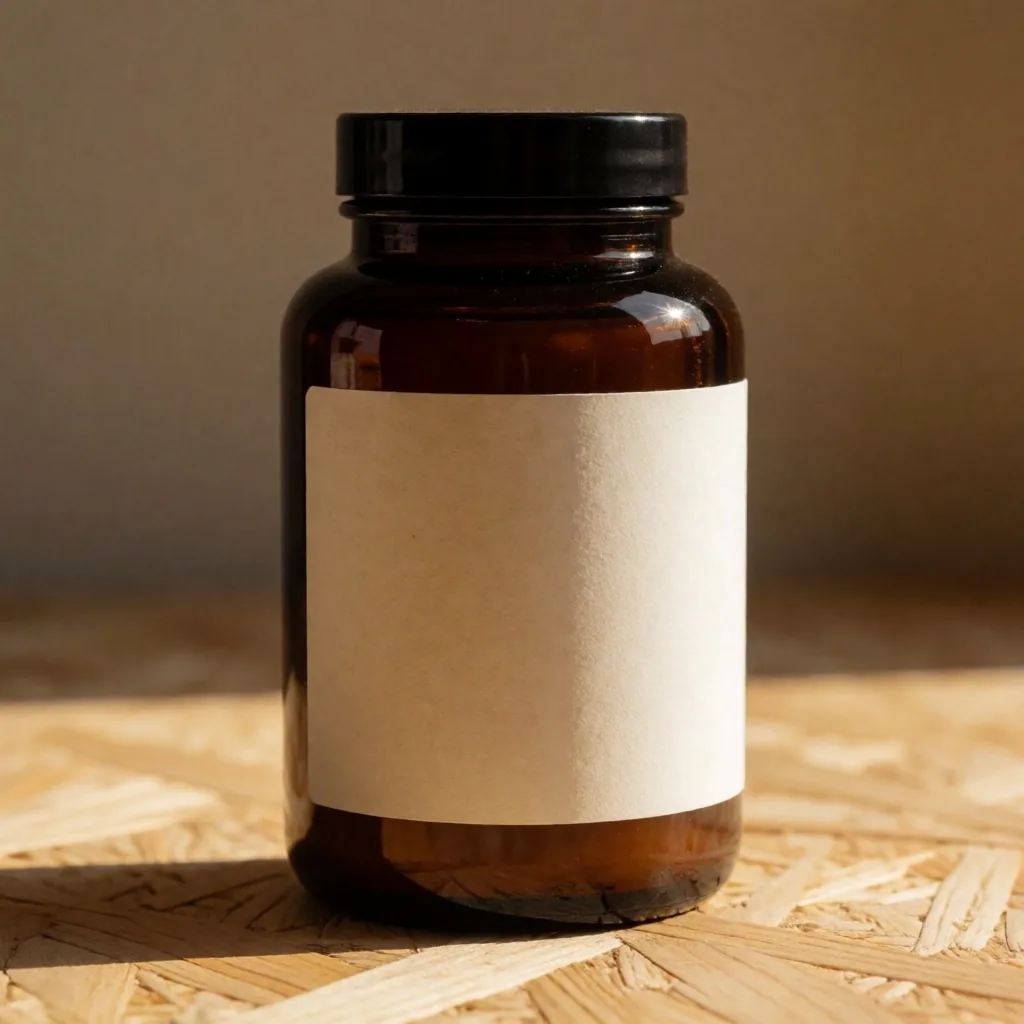
Many mass-market supplements contain unnecessary binders, fillers, and artificial colors added to improve appearance or manufacturing efficiency. These ingredients serve the production line, not the person taking the product.
We prefer products with clean labels that focus on the active ingredients. Additives like magnesium stearate or silicon dioxide are common and generally considered safe, but we highlight brands that minimize or eliminate them — because a pure supplement ensures your body is not processing unnecessary substances alongside its nutrients.
Binders and fillers — substances that hold a tablet together or fill capsule volume. Not nutritionally useful.
Artificial colors — dyes added for visual consistency. Provide no wellness value and can mask ingredient degradation.
Flow agents — keep powder moving through machinery. Functional for manufacturing, not for the consumer.
Packaging and Stability Standards
The journey from the factory to your home in Bandung can involve exposure to heat, humidity, and light — each of which can degrade sensitive vitamins and botanicals long before the expiry date.
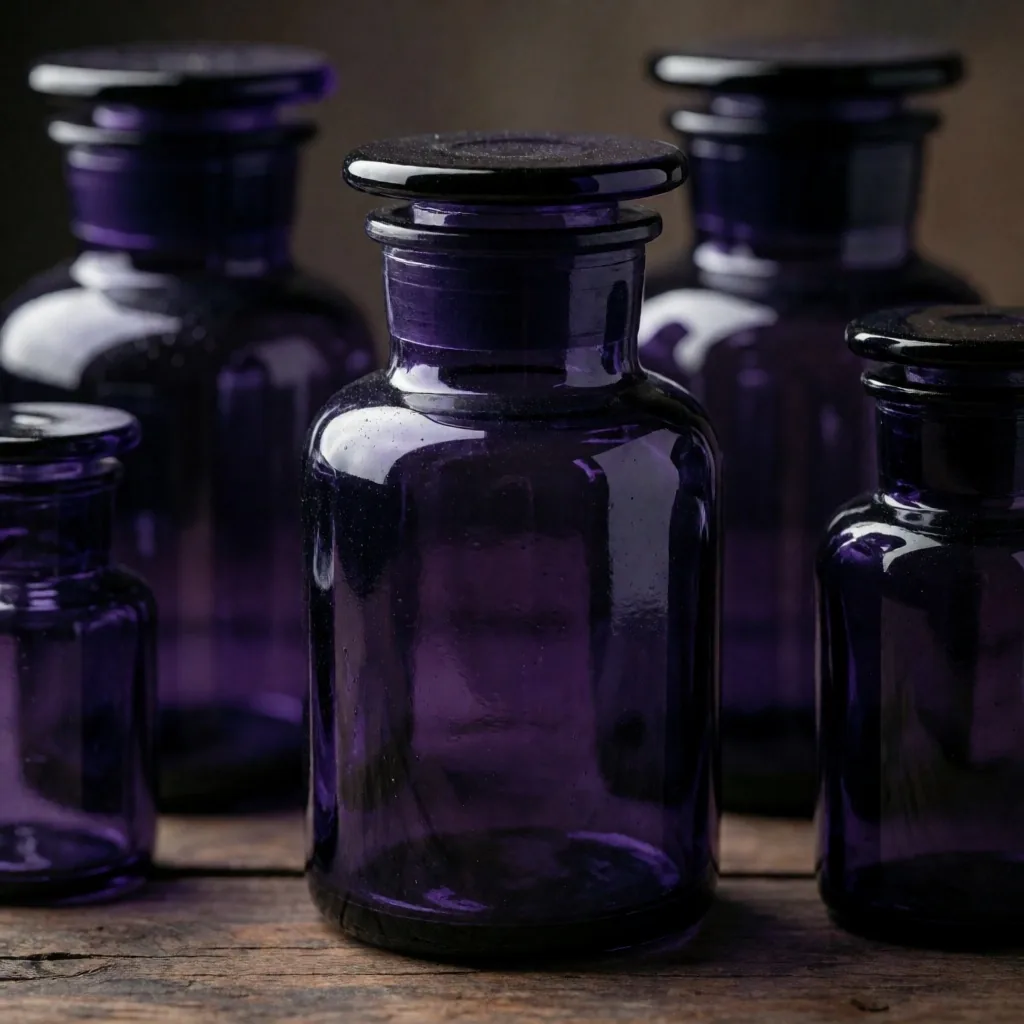
High-quality packaging, such as amber glass or induction-sealed bottles, helps protect the contents from light exposure and oxidation. Amber glass filters ultraviolet wavelengths that break down active compounds. Induction seals create an airtight barrier that prevents moisture and oxygen from entering after the bottle leaves the production line.
Proper containment is the final step in ensuring you receive a product that is still potent when you open it. A well-formulated supplement in a transparent plastic jar, stored on a warm shelf for six months, may have already lost much of what you are paying for.
Manufacturing Practices (GMP)
Good Manufacturing Practices are a set of international standards that ensure products are consistently produced and controlled according to quality requirements. GMP covers everything from staff training and hygiene to equipment maintenance, raw material handling, and batch record-keeping.
We prioritize information about facilities that adhere to these protocols because GMP provides a foundation for reliable production. A facility that documents its processes can trace a problem to its source. One that does not, cannot.
Ingredient Traceability
A transparent supply chain is essential for verified quality. We look for products where the manufacturer can trace every ingredient back to its original source — the farm, the harvest batch, the extraction facility.
This level of detail allows for better quality control and ensures that no unauthorized substances enter during processing. Traceability is a hallmark of a company that takes its commitment to consumer health seriously, because it requires investment in systems that the consumer will never directly see.
Consumer Safety and Education
Quality assurance also involves educating the consumer on how to use products safely. We provide information on potential interactions between different natural ingredients and the importance of following recommended serving sizes rather than assuming more is better.
Natural does not mean inert. Botanical extracts contain active compounds that can interact with each other and with food. Understanding these interactions — and respecting serving guidelines — is part of using supplements well.
By combining high-quality products with informed usage, you can achieve the best possible results for your wellness journey. Our goal is to ensure that every man in Indonesia has the tools to supplement safely and effectively.
Visit
Jl. Braga No. 10
Sumurbandung, Bandung
40111, Indonesia
Contact
Hours
Monday – Friday
09:00 – 18:00 WIB
The information on this page is educational and intended to help consumers evaluate supplement quality. Products discussed are dietary supplements, not drugs, and are not intended to diagnose, prevent, or cure any condition. Consult a qualified professional before beginning any supplement routine, especially if you have existing health concerns.