
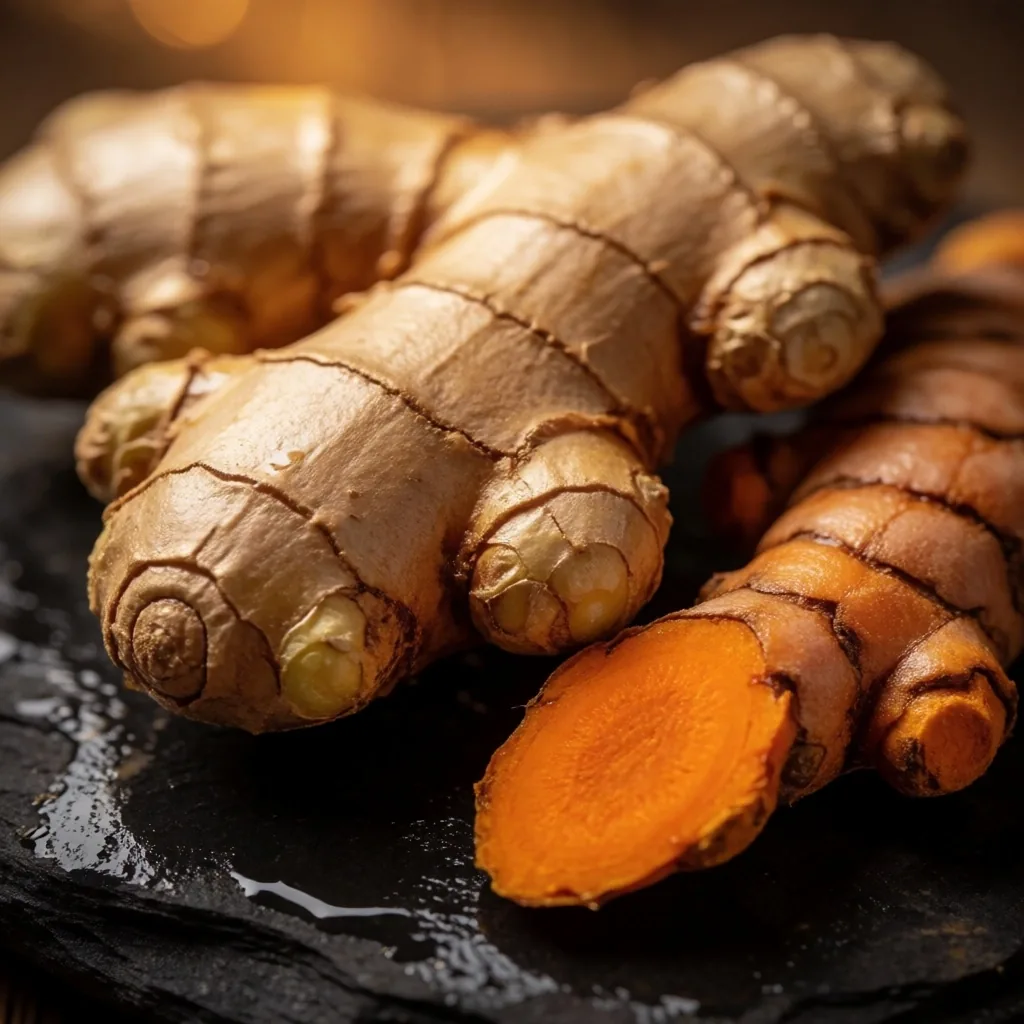
Comparing Supplement Formats
Selecting the right supplement means understanding the delivery method and concentration — not just the ingredient. Powders, capsules, and liquid extracts each process differently in the body. This guide breaks down how each format works so you can match it to your daily routine and wellness goals.
Four Formats, Side by Side
Each row highlights practical trade-offs — absorption speed, shelf life, dosage control, and additive load — so you can weigh what matters for your routine.
General reference values. Actual absorption and shelf life vary by ingredient, manufacturer, and storage conditions. Always read the label and follow serving suggestions.
Capsules vs. Tablets: Stability and Convenience
Capsules and tablets dominate supplement shelves for good reason — both are portable, shelf-stable, and easy to dose. But the differences underneath are worth knowing before you commit to a daily routine.
Tablets are produced by compressing powdered ingredients under high pressure. This process allows a higher volume of active material per unit and keeps manufacturing costs down. The trade-off is that tablets require binders, fillers, and sometimes coatings to hold their shape and survive packaging. These additives are food-safe, but some people prefer to avoid them. Tablets also need to disintegrate before the body can absorb the nutrients, which can slow things down — particularly if taken on a heavy stomach.
Capsules, especially those made from vegetable cellulose, break down more quickly in the digestive tract because the shell dissolves on contact with moisture. This generally means faster nutrient release compared to a compressed tablet. The drawback is volume: a capsule holds less material, so high-dose ingredients may require multiple units per serving.
For daily vitamins and moderate-dose botanicals, capsules strike a comfortable balance between speed and convenience. For high-dose minerals or cost-sensitive bulk nutrients, tablets often make more practical sense.
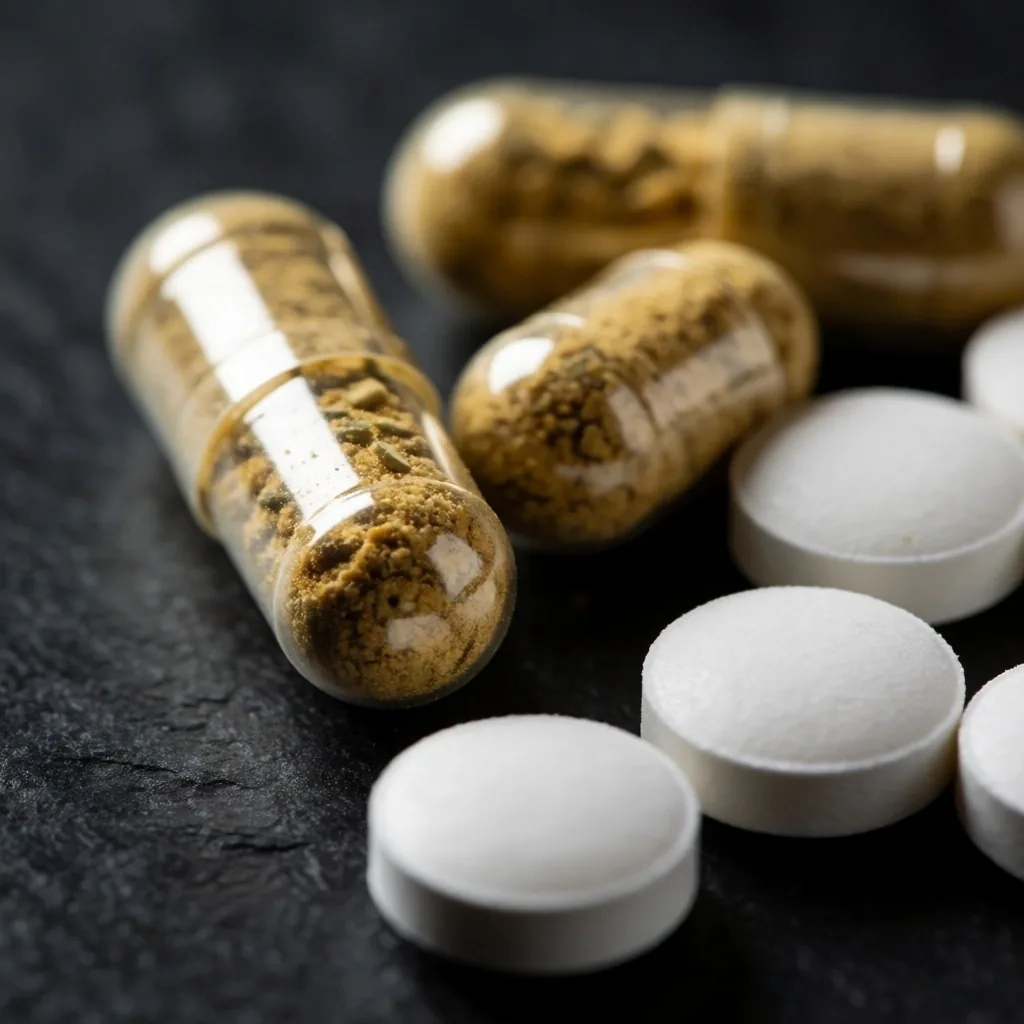
Choose capsules for faster breakdown and fewer additives. Choose tablets for higher dose capacity and lower cost per serving.
The Rise of Liquid Extracts
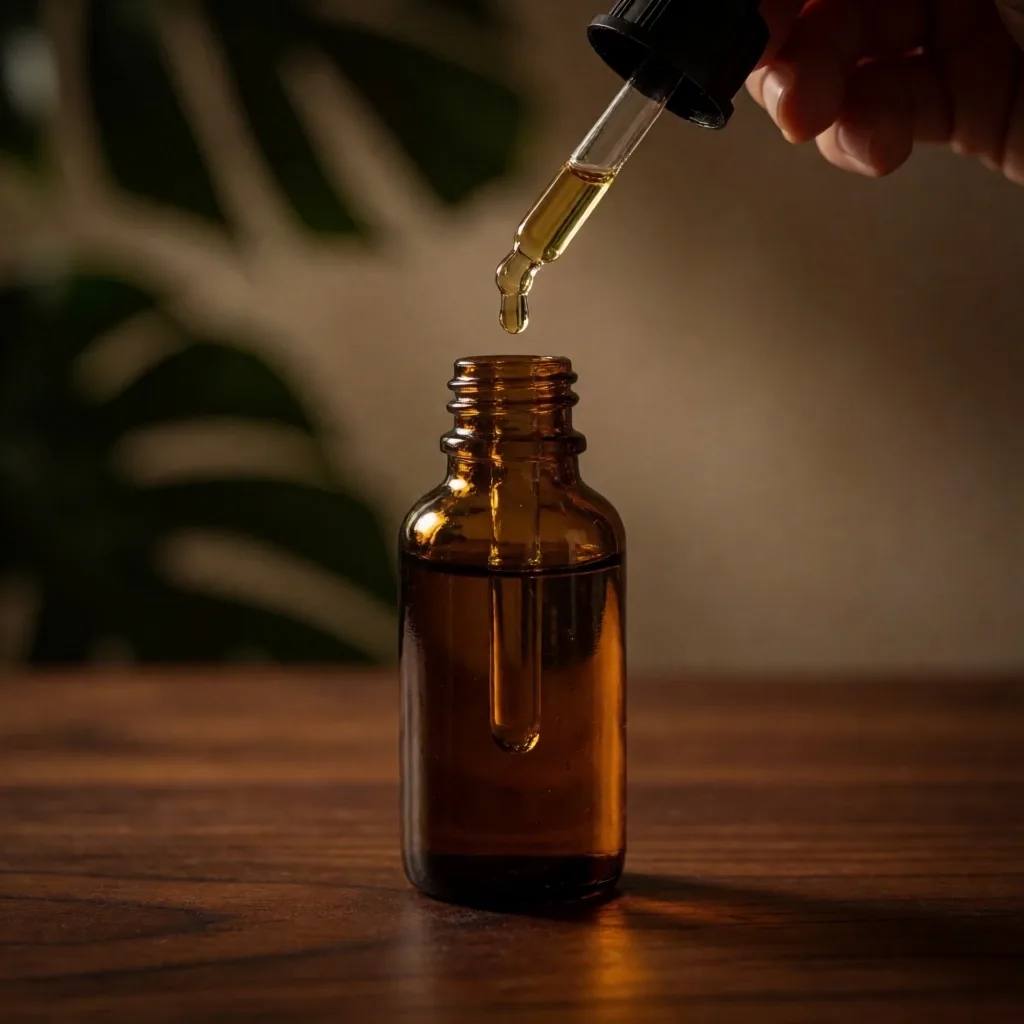
Liquid extracts and tinctures offer the fastest absorption of any supplement format. Because the active compounds are already dissolved in a solvent — typically water, alcohol, or glycerin — the body bypasses the breakdown stage that tablets and even capsules require. Nutrients enter the bloodstream quickly, often within minutes.
This format suits anyone who has difficulty swallowing solid forms, and it allows precise dosage adjustments. A few drops more or less can fine-tune the serving to body weight and activity level — something you cannot do with a pre-measured capsule.
The trade-offs are practical rather than nutritional. Liquids generally have a shorter shelf life because water and organic compounds degrade faster than dry powders. The natural taste of botanical extracts can be strong, bitter, or earthy. Most tinctures are best mixed into water, tea, or juice to soften the flavor while keeping absorption rapid.
Powders for High-Dose Flexibility
Some nutrients simply need more volume than a capsule can hold. Protein, magnesium, vitamin C at higher doses, and many mineral complexes are impractical to compress into a single serving. Powders solve this by letting you measure the exact amount you need in one scoop.
Because powders skip the compression and coating steps, they tend to contain fewer additives. A pure mineral powder might contain nothing but the mineral itself and a natural flow agent. This makes the format attractive for anyone tracking what they consume down to the individual ingredient.
Powders also invite customization. Blending different nutrients into a single smoothie or shaker cup lets you build a wellness mix tailored to your goals — something no pre-packaged capsule format can match.
The main practical consideration is taste and solubility. Some powders dissolve cleanly in water; others clump or settle. Mineral powders in particular can have a chalky or metallic note that benefits from being mixed into flavored beverages.
Moisture is the enemy of powders. In humid environments like Bandung, a jar left open can clump or degrade within days. Airtight seals and desiccant packs are standard for quality brands — look for both when comparing options.
Protein, magnesium, vitamin C, electrolyte blends, and custom nutrient stacks mixed into beverages.
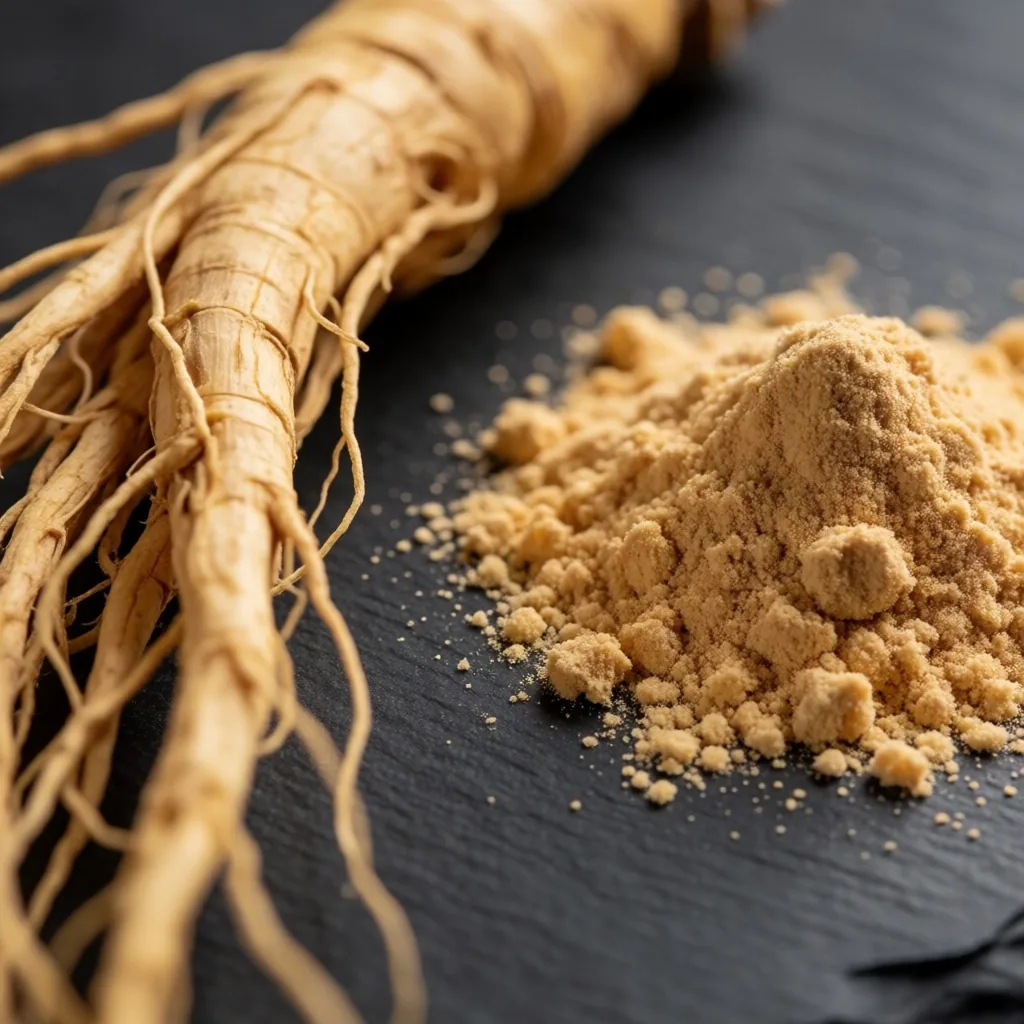
Whole herb on the left; standardized extract on the right. Both are valid — the right choice depends on your goal.
Standardized vs. Whole Herb Extracts
When you read a botanical supplement label, you will encounter two main approaches. A standardized extract guarantees a specific percentage of one active compound — say, 5% ginsenosides in a ginseng extract. The manufacturer tests each batch to confirm that concentration, so you know exactly how much of that compound you are getting per serving.
A whole herb extract captures the full spectrum of the plant's natural constituents — not just the headline compound, but the supporting molecules that occur alongside it. Proponents argue these compounds work together in ways that isolated extracts cannot replicate, a concept often called the entourage effect.
Choose Standardized When
You want a consistent, measurable dose of a specific active compound. Useful for tracking your intake and comparing results across batches.
Choose Whole Herb When
You prefer the natural complexity of the plant and trust the traditional use pattern. Whole herbs preserve the full constituent profile but vary in potency between harvests.
Bioavailability and Absorption Enhancers
The amount listed on a supplement label tells you what is in the product — not what your body actually absorbs. Bioavailability is the share of an ingredient that reaches your bloodstream in a usable form. Some natural compounds have poor bioavailability on their own but improve dramatically when paired with the right enhancer.
Curcumin + Piperine
Curcumin, the active compound in turmeric, has notoriously low absorption on its own. Piperine — an extract from black pepper — can increase curcumin uptake many times over. Quality turmeric supplements list piperine or black pepper extract on the label.
Vitamin D + Fat
Vitamin D is fat-soluble, meaning it needs dietary fa to absorb efficiently. Taking it with a meal containing oils, nuts, or avocado improves uptake compared to taking it on an empty stomach.
Iron + Vitamin C
Plant-based iron (non-heme iron) absorbs at a lower rate than iron from animal sources. Pairing it with vitamin C — a glass of citrus juice or a kiwi — can significantly improve how much iron your body takes up.
These pairings are well-documented in nutritional science. When comparing supplement brands, check whether the formula already includes a compatible enhancer or whether you need to pair it yourself through food choices.
Understanding Dosage and Concentration
More is not always better. Finding the right concentration for your body weight, activity level, and wellness goals matters more than simply taking the highest dose on the shelf.
One common source of confusion is the difference between raw herb weight and extract ratio. A label might read "500 mg ginger root extract, 10:1." The 10:1 ratio means ten parts of raw ginger were concentrated into one part of extract — so 500 mg of this extract is roughly equivalent to 5,000 mg of raw ginger root.
This matters when comparing two products that both list 500 mg on the front. One might be raw powdered root; the other a concentrated extract. Without reading the ratio, you are comparing very different amounts of active material.
Start with the serving size suggested on the label, track how you feel over two to three weeks, and adjust only if needed. Concentrated extracts are potent — small adjustments go a long way.
Storage and Potency Maintenance
How you store supplements directly affects how long they remain potent. Natural extracts and vitamins are sensitive to light, heat, and humidity — all three of which are part of daily life in Bandung's tropical climate.
Heat accelerates chemical breakdown. Humidity introduces moisture that clumps powders and degrades capsules. Direct sunlight bleaches and oxidizes active compounds. None of these happen instantly, but over months the potency loss is measurable.
Keep bottles in a cool, dry cabinet — not on a windowsill or near the stove.
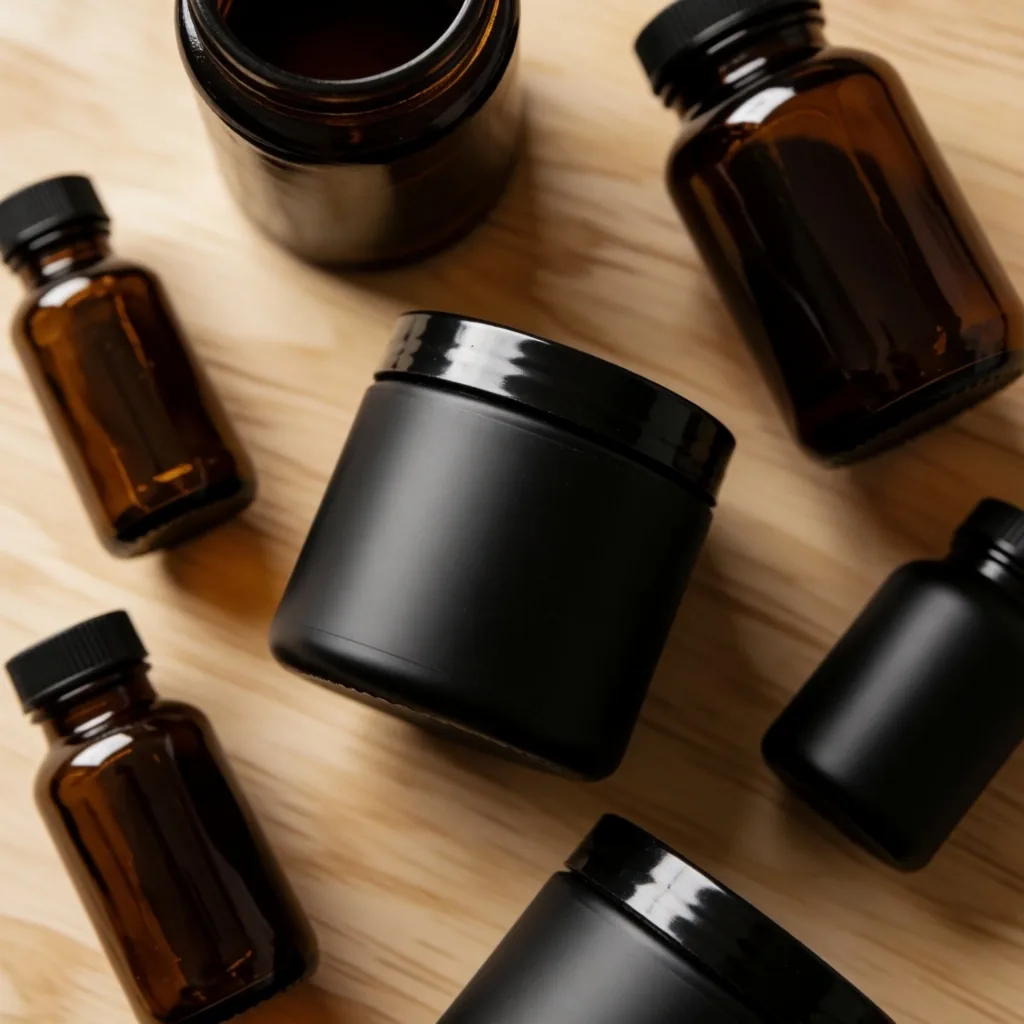
Choose dark-glass or opaque packaging when available. Amber and cobalt glass filter UV light.
Seal containers immediately after use. Desiccant packs inside the lid absorb residual moisture.
Respect expiration dates. Potency declines gradually — a supplement past its date is not dangerous, but it may no longer deliver the labeled dose.
Cost-Effectiveness and Quality
Price matters, but the cheapest option is rarely the best value. A low-cost supplement that contains mostly fillers, or uses a low-grade extract with poor bioavailability, costs less per bottle but delivers less per serving.
The more useful metric is cost per effective serving. To calculate it, divide the total price by the number of servings in the container, then weigh that against the concentration and absorption rate. A bottle of standardized extract at twice the price per gram may still be better value if each serving delivers more usable active compound.
High-quality extraction processes — cold pressing, supercritical CO₂, dual extraction for both water- and alcohol-soluble compounds — add to manufacturing cost. So does independent purity testing. These steps are not marketing; they are what separate a product that delivers on its label from one that does not.
- Price per serving, not price per bottle
- Extract ratio for botanicals (e.g., 10:1 means concentrated tenfold)
- Standardized compound percentage when available
- Inclusion of absorption enhancers (piperine, liposomal delivery, etc.)
- Additive list — fewer fillers generally means more of what you are paying for
Reading Supplement Labels
What does "standardized extract" actually guarantee?
How do I interpret an extract ratio like 10:1 or 4:1?
Are capsules or powders better for high-dose nutrients?
Why do some supplements include black pepper extract?
Should I store supplements in the refrigerator?
Still Comparing Your Options?
Explore our ingredient guides for a closer look at specific botanicals, or reach out with questions about finding the right format for your routine.
Jl. Braga No. 10
Sumurbandung, Bandung
40111, Indonesia
+62 22 4209 6297
[email protected]
Mon – Fri: 9:00 – 18:00
Sat – Sun: By appointment